EACC

EU Commission launches new 10-year plan to support Roma in the EU

The European Commission has today adopted a new 10-year plan, including a proposal for a Council Recommendation, to support Roma in the EU. There are seven key areas of focus: equality, inclusion, participation, education, employment, health, and housing. For each area, the Commission has put forward new targets and recommendations for Member States on how to achieve them, both of which will serve as important tools to monitor progress and ensure that the EU makes more headway in providing the vital support that so many Roma living in the EU still need.
Vice-President for Values and Transparency, Věra Jourová, said: “Simply put, over the last ten years we have not done enough to support the Roma population in the EU. This is inexcusable. Many continue to face discrimination and racism. We cannot accept it. Today we are relaunching our efforts to correct this situation, with clear targets and a renewed commitment to achieve real change over the next decade.”
Commissioner for Equality, Helena Dalli, said: “For the European Union to become a true Union of Equality we need to ensure that millions of Roma are treated equally, socially included and able to participle in social and political life without exception. With the targets that we have laid out in the Strategic Framework today, we expect to make real progress by 2030 towards a Europe in which Roma are celebrated as part of our Union’s diversity, take part in our societies and have all the opportunities to fully contribute to and benefit from political, social and economic life in the EU.”
While the aim is full equality, the Commission has proposed minimum targets for 2030, building on progress made under the previous framework. These include:

Cutting the proportion of Roma with experience of discrimination by at least half;
Doubling the proportion of Roma filing a report when experiencing discrimination;
Reducing the poverty gap between Roma and general population by at least half;
Cutting the gap in participation in early childhood education by at least half;
Cutting the proportion of Roma children who attend segregated primary schools by at least half in Member States with a significant Roma population;
Cutting the employment gap and the gender employment gap by at least half;
Cutting the gap in life expectancy by at least half;
Reducing the gap in housing deprivation by at least one third;
Ensuring that at least 95% of Roma have access to tap water.

To achieve these targets, it is crucial that Member States put in place the right policies. The Commission is providing guidance for Member States and has set out a list of measures to be taken by Member States in order to speed up progress towards Roma equality, inclusion and participation. The guidance and measures range from developing support systems for Roma victims of discrimination, to awareness raising campaigns in schools, supporting financial literacy, promoting the employment of Roma in public institutions, and improving access to quality medical check-ups, screening, and family planning for Roma women.
Next Steps
The Commission is calling on Member States to submit national strategies by September 2021 and report on their implementation every two years. The Commission will monitor progress towards the 2030 targets, drawing on input from surveys carried out by the European Fundamental Rights Agency and input from civil society. There will also be an in-depth mid-term evaluation of the new 10-year plan in its entirety.
Background
Although some improvements have been made in the EU – predominantly in the area of education – Europe still has a long way to go to achieve real equality for Roma. Marginalisation persists, and many Roma continue to face a combination of disproportionate discrimination, antigypsyism and socioeconomic exclusion in their daily lives.
The new EU Roma Strategic Framework is the first direct contribution to the implementation of the EU Action Plan against racism 2020-2025, and part of President von der Leyen‘s commitment to a Union of Equality.
The new EU Roma Strategic Framework for equality, inclusion and participation builds upon the EU Framework for National Roma Integration Strategies up to 2020. It ties in with the work of the Commission in other areas, including the recently adopted EU Action Plan against racism 2020-2025, the Victims’ Rights Strategy, and the Gender Equality Strategy.
Many of the policy areas linked to improving Roma equality, inclusion and participation are primarily national responsibilities. However, the EU has an important role in providing policy guidance, coordinating actions by Member States, monitoring implementation and progress, providing support via EU funds, and promoting the exchange of good practices between Member States.
Compliments of the European Commission.
The post EU Commission launches new 10-year plan to support Roma in the EU first appeared on European American Chamber of Commerce New York [EACCNY] | Your Partner for Transatlantic Business Resources.
EACC

EU Commission assesses and sets out reform priorities for the countries aiming to join the EU

Today, the Commission adopted its Communication on EU enlargement policy and the 2020 Enlargement Package: The annual reports, assessing the implementation of fundamental reforms in the Western Balkans and Turkey, are presented together with clearer and more precise recommendations and guidance on the next steps for those partners, in line with the enhanced enlargement methodology.
EU High Representative for Foreign Affairs and Security Policy/Vice-President of the European Commission, Josep Borrell, said: “The citizens of the Western Balkans are part of Europe and they belong in the European Union. Today’s reports on the Enlargement Package provides a rigorous assessment that indicates the way forward, highlighting what has been achieved and where there is still hard work to be done.“
Presenting the annual Enlargement Package, EU Commissioner for Neighbourhood and Enlargement, Olivér Várhelyi, commented: “From the start of the mandate of this Commission, my aim has been to make sure both our partners in the Western Balkans and our Member States regain trust in the accession process. Our rigorous but fair assessments presented today detail where the countries stand with the reforms, with clearer guidance and recommendations on the future steps. Their dynamic implementation will speed up their progress on EU path and bring long-lasting results. In parallel, we have presented an Economic and Investment plan to spur their long term recovery and accelerate their economic convergence with the EU.”
Western Balkans
A credible enlargement policy is a geostrategic investment in peace, security and economic growth in the whole of Europe, more so in times of increasing global challenges and divisions. The firm and merit-based prospect of full EU membership for the Western Balkans is in the European Union’s very own political, security and economic interest. The Commission’s Communication “Enhancing the accession process – A credible EU perspective for the Western Balkans”, endorsed by Member States in March 2020, set out concrete proposals for strengthening the accession process, by making it more predictable, more credible, more dynamic and subject to stronger political steering. The strengthened approach underlines the importance of a merit-based accession process built on trust, mutual confidence and clear commitments by the European Union and the Western Balkans, with an even stronger focus on fundamental reforms.
Credible progress in the rule of law area remains a significant challenge, which often correlates with a lack of political will. A slow pace in judicial culture continues throughout the Western Balkans region without sufficient commitment to the principle of judicial independence. The overall pace in the fight against corruption has slowed down and the track record in most partners is far from meeting the requirements for membership, whilst in the area of freedom of expression and media pluralism there has been the least progress last year.
For the first time, the Commission assesses the overall balance in the accession negotiations with both Montenegro and Serbia and proposes the way ahead. This should allow the intergovernmental conferences, which should take place after the publication of the Commission’s annual package, to provide the fora for political dialogue on reforms, take stock of the overall accession process and set out the planning for the year ahead, including the opening and closing of chapters and possible corrective measures.
In the case of Albania and North Macedonia, the Commission looks forward to the first intergovernmental conferences to be convened as soon as possible after the adoption of the negotiating frameworks by the Council. The Commission confirmed further progress in the implementation of reforms in Albania and North Macedonia. Albania has already made decisive progress and is close to meeting the conditions set by the Council in view of the first intergovernmental conference.
Bosnia and Herzegovina is expected to address 14 key priorities from the Commission’s Opinion on its EU membership application, with only some steps taken so far.  As regards Kosovo, limited progress was made on EU related reforms and it is important that Kosovo authorities redouble their efforts to advance on the European path, including through the implementation of the Stabilisation and Association Agreement.
The Commission also adopted today a comprehensive Economic and Investment Plan for the Western Balkans, which aims to spur the long-term recovery of the region, a green and digital transition, foster economic regional cooperation, boost economic growth and support reforms required to move forward on the EU path.
Turkey
Turkey remains a key partner for the European Union. However, Turkey has continued to move further away from the European Union with serious backsliding in the areas of democracy, rule of law, fundamental rights and the independence of the judiciary. As stated by the Council in 2018 and 2019, Turkey’s accession negotiations have effectively come to a standstill and no further chapters can be considered for opening or closing. The report presented today confirms that the underlying facts leading to this assessment still hold, despite the government’s repeated commitment to the objective of EU accession. Dialogue and cooperation with Turkey have continued, in particular on addressing challenges related to migration, despite concerns over the events at the Greek-Turkish border in March 2020. The reports also outlines how Turkey’s foreign policy increasingly collided with the EU priorities under the Common Foreign and Security Policy.
Next steps
It is now for the Council to consider the recommendations of the Commission and take decisions on the steps ahead.
Background
Enlargement process
The current enlargement agenda covers the partners of the Western Balkans and Turkey. Accession negotiations have been opened with Montenegro (2012), Serbia (2014), and Turkey (2005). In March 2020, Member States agreed to open accession negotiations with North Macedonia and Albania. Bosnia and Herzegovina (application to join the EU submitted in February 2016) and Kosovo (Stabilisation and Association Agreement entered into force in April 2016) are potential candidates.
The EU accession process continues to be based on established criteria, fair and rigorous conditionality, and the principle of own merits. EU accession requires the implementation of complex reforms in a challenging environment; an objective which can only be achieved in the long term. For the process to move forward, accession candidates need, as a matter of priority, to deliver more swiftly genuine and sustainable results on key issues: the rule of law, justice reform, fight against corruption and organised crime, security, fundamental rights, functioning of democratic institutions and public administration reform, as well as on economic development and competitiveness.
Further progress on reconciliation, good neighbourly relations and regional cooperation are also of key importance.
Reporting in this year’s enlargement package also reflects the proposals of the enhanced approach to the accession process. The assessments and recommendations for the partners, especially the forward-looking guidance on specific reform priorities, are even clearer and more precise. The reports provide greater transparency, including on the state of play of the accession negotiations and the extent to which fundamental reforms are being implemented. Comparative overviews of performance on the fundamentals are provided, as well as external indices to complement the Commission’s assessments. Stronger contributions were solicited from Member States, who were consulted during the process and provided input and expertise, including through their Embassies on the ground. The reports also include assessments of the public political commitment of authorities to the strategic goal of EU accession.
Compliments of the European Commission.
The post EU Commission assesses and sets out reform priorities for the countries aiming to join the EU first appeared on European American Chamber of Commerce New York [EACCNY] | Your Partner for Transatlantic Business Resources.

EACC

European Parliament: EVP Dombrovskis speech at the hearing for the Commissioner-Designate for Trade

Statement | 2 October 2020 | By Executive Vice President Valdis Dombrovskis, Commissioner-Designate for Trade
Honourable Chairman, Esteemed Members of the European Parliament,
I was honoured when President von der Leyen placed her trust in me to continue to lead our shared European trade agenda. I hope that at the end of this hearing, you too will feel satisfied that you can place your trust in me. Honourable members, you already know me. I have worked with this house on many occasions. If approved, I will have a busy and challenging range of responsibilities, but we have a saying in Latvia: the ready back gets the load. As a former MEP, I understand that this committee has to be fully involved in our trade policymaking. I look forward to working closely together with you.] As Executive Vice-President of the Commission, my job is to build an economy that works for people. Trade is a powerful positive force in this respect. It supports 1 in 7 high-quality European jobs. Of course, in today’s world, trade is about much more than just trade. European trade policy must do more to help us meet the great challenges of our time. This is why we are conducting a wide review of our trade policy.
Working with you, honourable members, And with our stakeholders and civil society, I will bring forward a new roadmap for our trade policy. This roadmap must fit into our wider plan for a sustainable and digital recovery. It must be modern and up-to-date, in support of our values and wider geopolitical goals. It must maximise opportunities for our companies around the world. It must strengthen our toolbox to defend ourselves from unfair practices. It must leverage our strength as the world’s trading powerhouse. And it must unlock doors of influence globally. Only a Europe that is open to the world can shape the trade policy for the 21st century.
So, I propose to drive our trade policy forward, in order to:

reform the rules-based multilateral order;
rethink trade policy to deliver on our sustainability goals;
reinforce free and fair trade, by engaging with our partners while at the same time, strengthening our defence and enforcement; and finally,
redouble our leadership in trade by managing our key relationships.

Ladies and Gentlemen,
One of my first priorities will be to reform the rules-based system of global economic governance. We need to make it fit for today’s world. This means a WTO that settles disputes quickly and efficiently, with strong rules to ensure a level playing field. A WTO with the Sustainable Development Goals and climate change at the core of its work. And a WTO responding to the digital revolution, harnessing the full potential of the free flow of data.
In this respect, I will prioritise negotiations on E-commerce. Of course, it will be very important that we uphold our GDPR rules on personal data protection. Europe has the influence and credibility to lead this reform effort. In the context of the Covid-19 pandemic, we have already put forward ideas for a trade and health initiative that would facilitate trade in essential pharmaceutical and medical goods.
I am happy to announce today that I will launch a WTO Trade and Climate Initiative, focusing on green goods and services. I look forward to discussing this with you at the earliest opportunity. Staying with sustainability and climate – trade can deliver real results here.
I would direct you to my track record on sustainable finance – Europe was the first region with proper legislation in this area, and Europe is now a global leader. My approach was never top-down, but based on reaching out, finding common ground, and building alliances. My approach will stay the same. Working with our partners is how Europe achieves results.
Every time one of our trade deals includes a Trade and Sustainable Development chapter, we are making a mutual commitment. I know we need to strengthen the enforcement of these chapters even more. So, my commitment is that I will work closely with you and with our new Chief Trade Enforcement Officer to achieve results.
The Commission will propose the respect of the Paris climate commitments as an essential element in our future agreements. We will do more to support gender equality, women’s empowerment, and labour and human rights, including strong action to eliminate child labour. We will examine how we can include more granularity in the enforcement of these chapters. And I will work closely with Commissioner Reynders to advance the Commission’s proposal on mandatory due diligence already next year.
Ladies and gentlemen, one of the most urgent sustainability issues is to protect the Amazon rainforest. These are the lungs of our planet. Our best advantage is that we have an ongoing partnership discussion with the Mercosur countries. Negotiating this agreement has taken 20 years. It is the first of its kind that Mercosur has negotiated with a global partner.
The sustainability chapter is the most progressive in any of our trade deals. It contains explicit commitments on deforestation and implementation of the Paris agreement. However, I recognise the deep concerns expressed by the honourable members, by civil society, and by our citizens. I share these concerns. Therefore, we should redouble our engagement with our Mercosur partners, and find lasting solutions for the Amazon region. This will be a critical element on the path towards ratification of the agreement.
Honourable members, openness goes hand in hand with fairness. To reinforce our commitment to free and fair trade, we must engage with our partners. While at the same time, we must strengthen our defence and enforcement. Europe needs to become more assertive. By protecting our companies, securing our strategic interests, strengthening reciprocity and levelling the playing field.
The Chief Trade Enforcement Officer will work to implement our agreements. This means removing barriers and protecting our workers, consumers and companies whenever our trade partners do not play by the rules. In addition, I will seek to strengthen our enforcement tools. With your support, I hope we can swiftly agree on the updated enforcement regulation.
We must also sharpen our trade defence tools. I will support the efforts to launch a new legal instrument dealing with distortions from foreign subsidies in our internal market. I will work with Member States to ensure that screening mechanisms for Foreign Direct Investment are working well on the ground. I will also look for your help to conclude the work on dual-use exports and the International Procurement Instrument. And to strengthen our hand in defending the EU against the unfair practices of others, I will bring forward a proposal next year for a new anti-coercion mechanism.
In parallel with defending ourselves better, we need to help our companies, in particular our SMEs – to derive maximum benefit from our Free Trade Agreements. This is critical for our future economic prospects, given that in the next decade, 85% of global growth will take place outside the EU. Therefore, I am very pleased to announce that later this month I will launch the Access2Markets portal. This will be a one-stop-shop, in all EU languages, to help SMEs navigate the world of international trade. I look forward to your strong participation in this high-level event.
Ladies and gentlemen, All the goals I have outlined require our global partnerships to be strong and responsive. The Transatlantic trade and investment relationship remains the global engine of prosperity. I will spare no effort in revitalising our strategic partnership with the United States. I will bring a fresh impetus to transatlantic work on trade, technology, taxation, and reform of the multilateral trading system, including disciplines on industrial subsidies.  The recent deal on tariff reductions represents the first step of a renewed cooperation. However, if the U.S. continues to disengage from multilateralism and pursue unilateral actions, the EU will not hesitate to defend its interests and respond in a proportionate way.
Let me turn now from the United States to China. We need to pursue a results-oriented engagement with Beijing. I co-chair the High Level Economic Dialogue with China in my current role. This gives me a clear understanding of the political and economic reality. We will work to enhance our trade and investment relationship with China – notably by concluding the Comprehensive Agreement on Investment. However, our partnership must be restructured to be reciprocal, balanced and fair. European companies in China need fair treatment and real market access.
Closer to home, I see Africa as a key partner for Europe. Africa is on our doorstep. It is the continent with the highest growth potential in the world: by 2050, Africa will represent around 75% of the growth of the global workforce. I am committed to reinforcing our economic partnership agreements with Africa, building resilient value chains and boosting sustainable public and private investment in sectors of mutual interest.   Our long-term objective is to achieve a continent-to-continent agreement.
Moving still a little closer, we need to enhance our cooperation with our neighbourhood region. These relationships are an important aspect of our trade policy with a strong geopolitical dimension. Likewise, we must continue to support EU candidates and potential candidates, including through the extension of our autonomous trade measures. I count on the co-legislators to have the new regulation in place in time.And I very much welcome the recent vote in the INTA committee in this regard.
I would like to say a few words on our negotiations with the United Kingdom. It is in the strong interest of both sides to construct the closest possible trading relationship. But I should underline that progress will depend on both sides respecting their commitments under the Withdrawal Agreement. Both the Commission and the Parliament have been very clear on this point.
To conclude, honourable members, all the steps I have outlined will feed into the ongoing review of our trade policy. This will help us to design the new direction for EU trade, based on the concept of open strategic autonomy. If confirmed, I will come back to this house regularly to engage with you on all these issues. I will also maintain an active outreach to civil society. As proof of my commitment to a wide and inclusive approach, a series of dedicated civil society dialogues will start already next month. I pledge to maintain a high degree of transparency in my dealings with the European Parliament. I will ensure that you have all the information you need, in good time. I want to reassure the group coordinators that I have taken good note of the expectations you expressed in the context of my predecessor’s hearing last year. I hope you recognise that this has inspired the programme I have put before you today.
Let me conclude by saying that we live in unprecedented times. We face increasing challenges at home and abroad. Working together, we can design a strong European plan to address these challenges. Working together, we can future-proof Europe’s trade policy.
Thank you.
Compliments of the European Commission.
The post European Parliament: EVP Dombrovskis speech at the hearing for the Commissioner-Designate for Trade first appeared on European American Chamber of Commerce New York [EACCNY] | Your Partner for Transatlantic Business Resources.
Read More
EACC

IMF | Public Investment for the Recovery

Governments around the world are taking extraordinary measures to respond to the COVID-19 crisis. While maintaining the focus on addressing the health emergency and providing lifelines for households and businesses, governments need to prepare economies for the transition to the post-COVID-19 world—including by helping people get back to work.
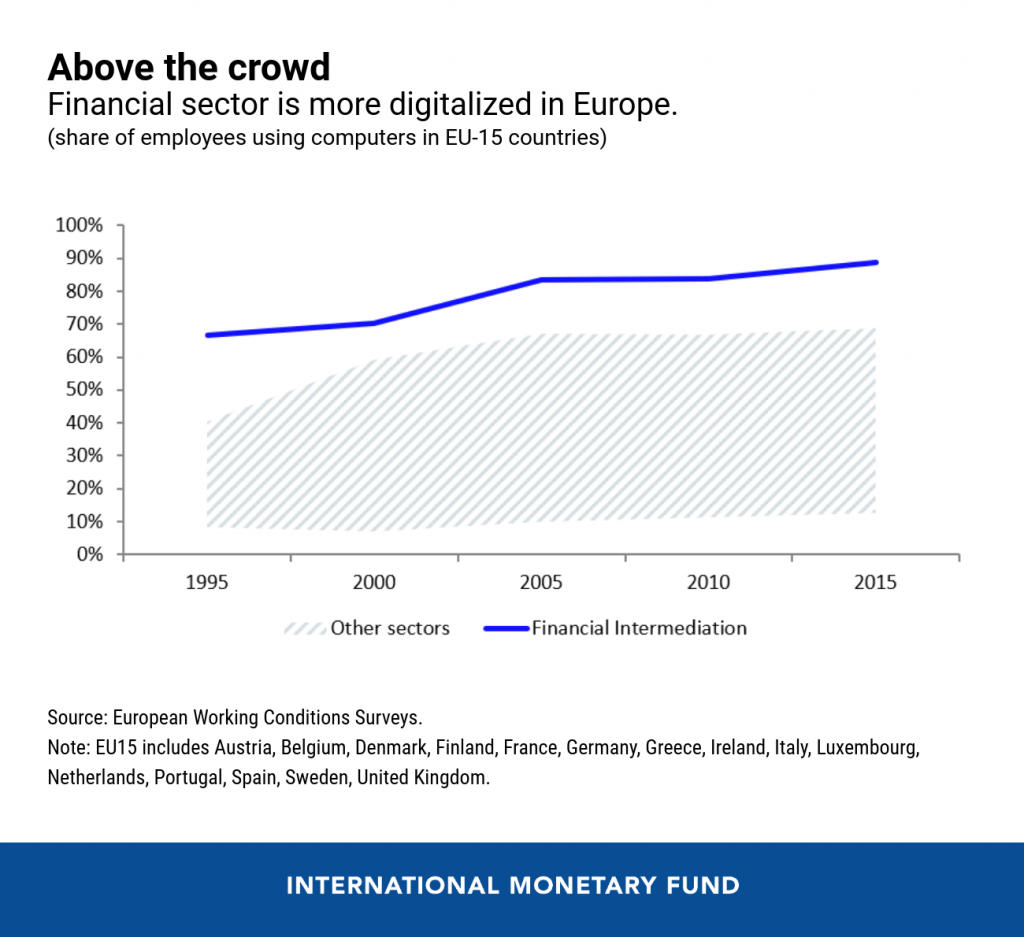
Public investment has a central role to play. Our new Fiscal Monitor shows that increasing public investment in advanced and emerging market economies could help revive economic activity from the sharpest and deepest global economic collapse in contemporary history. It could also create millions of jobs directly in the short term and millions more indirectly over a longer period. Increasing public investment by 1 percent of GDP could strengthen confidence in the recovery and boost GDP by 2.7 percent, private investment by 10 percent, and employment by 1.2 percent if investments are of high quality and if existing public and private debt burdens do not weaken the response of the private sector to the stimulus.
In this edition of our Fiscal Monitor, we discuss why more public investment is needed, what the potential impact of public investment may be on growth and jobs, and how governments can make sure investment supports the recovery.

Image courtesy of the IMF.
The case for scaling up investment
Even before the pandemic, global investment had been weak for over a decade, despite crumbling roads and bridges in some advanced economies and massive infrastructure needs for transportation, clean water, sanitation, and more in most emerging and developing economies. Investment is now urgently required in sectors critical to controlling the pandemic, such as health care, schools, safe buildings, safe transportation, and digital infrastructure.
Low interest rates globally also signal that the time is right to invest. Savings are plenty, the private sector is in waiting mode, and many people are unemployed and able to take up jobs created through public investment. Private investment is depressed, owing to acute uncertainty on the future of the pandemic and the economic outlook. Thus, in many countries, the time is now to undertake high quality public investment, in priority projects. It can be done by borrowing at low cost.
Public investment can play a central role in the recovery, with the potential to generate, directly, between 2 and 8 jobs for every million dollars spent on traditional infrastructure, and between 5 and 14 jobs for every million spent on research and development, green electricity, and efficient buildings.

Image courtesy of the IMF.
But investment projects can take time to implement. To ensure that investment creates jobs right now—when they are needed the most—countries should ramp up infrastructure maintenance, where safe. Now is also the time to start reviewing and restarting promising projects that were delayed because of the crisis, speeding up projects in the pipeline to bring them to fruition within the next two years, and planning for new projects aligned with the postcrisis priorities.
Striking the right balance
For some countries, however, borrowing to invest will be difficult because financing conditions are tight. Even so, a gradual scaling-up of public investment financed by borrowing could pay off, as long as rollover risks (risks associated with the refinancing of debt) and interest rates do not increase too much and governments choose investment projects wisely. Countries may also need to reallocate spending or raise additional revenue for priority investments.
Poorer countries—especially in the context of the Sustainable Development Goals 2030—will need grant support from the international community. Investing in adaptation to climate change is critical, especially in countries susceptible to floods and droughts. Official aid has been available, but the $10 billion allocated in 2018 falls short of the $25 billion of investment required annually in low-income economies, according to IMF staff estimates.
Maintaining the quality of investment projects is essential. We find, for example, that the cost of an individual project can increase by as much as 10 to 15 percent just because it is undertaken in a period when investment is particularly high. Cost increases tend to be higher and project delays are longer if projects are approved and undertaken when public investment is significantly scaled up, our analysis shows. Fast increases in public investment also carry the risk of facilitating corruption. Likewise, improving the governance of project selection and management is crucial, because there is scope to improve the efficiency of infrastructure by one third on average (as shown in a book recently published by the IMF: Well Spent: How Strong Infrastructure Governance Can End Waste in Public Investment).
Catalyzing private investment
We also discuss how, in this unique crisis, public investment could boost growth enough to trigger additional private sector job creation.
We analyze whether the effect of additional public spending on GDP (the “fiscal multiplier”) could be muted because some jobs cannot be performed safely during the pandemic and because firms will exit the crisis with less financial capacity to invest.
However, during this time of high uncertainty, public investment can boost private investors’ confidence in the recovery and induce them to invest too, in part because it signals the government’s commitment to sustainable growth. Public investment projects can also stimulate private investment more directly. For example, investments in digital communications, electrification, or transportation infrastructure allows new businesses to emerge. Likewise, our results show that investments in healthcare and other social services are associated with sizable increases in private investment at the one-year horizon.
In sum, public investment is a powerful element of the stimulus packages to limit the economic fallout from the pandemic. Even as countries continue to save lives and livelihoods, they can lay the foundation for a more resilient economy by investing in job-rich, highly productive, and greener activities.
Authors:

Vitor Gaspar, Director of the IMF’s Fiscal Affairs Department

Paolo Mauro, Deputy Director in the IMF’s Fiscal Affairs Department

Catherine Pattillo, Director, Fiscal Affairs Department and chief of the Fiscal Policy and Surveillance Division, responsible for the IMF’s Fiscal Monitor

Raphael Espinoza, deputy division chief in the IMF’s Fiscal Affairs Department

Compliments of the IMF.
The post IMF | Public Investment for the Recovery first appeared on European American Chamber of Commerce New York [EACCNY] | Your Partner for Transatlantic Business Resources.

EACC

Special European Council, 1-2 October 2020

Main results
On 1 and 2 October, EU leaders met in Brussels to discuss foreign affairs and the EU’s economic base.
On Thursday, they discussed the situation in the Eastern Mediterranean. They also addressed relations with China, the situation in Belarus, the conflict in Nagorno-Karabakh and the poisoning of Alexei Navalny.
On Friday, COVID-19, the single market, industrial policy and digital transition were on the agenda. Leaders were also updated on EU-UK relations and the MFF negotiations with the European Parliament.

European Council conclusions, 1-2 October 2020
Remarks by President Charles Michel after the Special European Council meeting on 2 October 2020
Remarks by President Charles Michel after the Special European Council meeting on 1 October 2020

President Charles Michel presented the Leaders’ Agenda 2020-2021, which covers the key challenges confronting the EU and allows the ground to be prepared for strategic discussions in the European Council meetings.

Leaders’ Agenda 2020-2021

External relations
Eastern Mediterranean
The European Council reiterated its full solidarity with Greece and Cyprus, whose sovereignty and sovereign rights must be respected. EU leaders stressed that the EU has a strategic interest in a stable and secure environment in the Eastern Mediterranean and the development of a cooperative and mutually beneficial relationship with Turkey.

“Pursuing dialogue in good faith and abstaining from unilateral actions which run counter to the EU interests and violate international law and the sovereign rights of EU member states is an absolute requirement in this regard. All differences must be resolved through peaceful dialogue and in accordance with international law.”
European Council conclusions

EU leaders welcomed the recent confidence-building steps by Greece and Turkey and the announcement that they will resume their exploratory talks. At the same time, they strongly condemned violations of the sovereign rights of the Republic of Cyprus and called on Turkey to accept the invitation by Cyprus to engage in dialogue.
Provided constructive efforts to stop illegal activities vis-à-vis Greece and Cyprus are sustained, the European Council has agreed to launch a positive political EU-Turkey agenda.
In the event of renewed unilateral actions or provocations in breach of international law, the EU will use all the instruments and options at its disposal to defend its interests and those of its member states.
The European Council will come back to the situation in the Eastern Mediterranean and take decisions as appropriate at the latest at its meeting in December 2020.
EU leaders also called for a multilateral conference on the Eastern Mediterranean.
Belarus
The European Council condemned the Belarusian authorities’ unacceptable violence against peaceful protesters, intimidation and arbitrary arrests and detentions following the presidential elections, the results of which it does not recognise.

“The European Council fully supports the democratic right of the Belarusian people to elect their president through new free and fair elections, without external interference.”
European Council conclusions

EU leaders called on the Belarusian authorities to end violence and repression, release all detainees and political prisoners, respect media freedom and civil society, and start an inclusive national dialogue. They agreed that restrictive measures should be imposed and called on the Council to adopt the decision without delay. The European Council also encouraged the European Commission to prepare a plan of economic support for democratic Belarus.
EU-China
Following the EU-China summit on 22 June 2020 and the meeting with President Xi on 14 September 2020, both held via videoconference, the European Council discussed EU-China relations. The leaders recalled the goal of finalising negotiations for an ambitious EU-China Comprehensive Investment Agreement (CAI) by the end of 2020.
EU leaders encouraged China to assume greater responsibility in dealing with global challenges, in particular regarding climate. They welcomed President Xi’s statement that China will aim to achieve carbon neutrality before 2060.
The European Council also stressed its serious concerns about the human rights situation in China, including developments in Hong Kong and the treatment of people belonging to minorities.

EU-China leaders’ meeting via video conference, 14 September 2020
EU-China summit via video conference, 22 June 2020

The Nagorno-Karabakh conflict
The European Council called for an immediate cessation of hostilities and urged the parties to recommit to a lasting ceasefire and the peaceful settlement of the conflict. It expressed its support for the Co-Chairs of the OSCE Minsk Group and asked the High Representative to examine the possibility of further EU support for the settlement process.

“The loss of life and the toll on the civilian population are unacceptable. There can be no military solution to the conflict, nor any external interference. Azerbaijan and Armenia should engage in substantive negotiations without preconditions.”
European Council conclusions

Poisoning of Alexei Navalny
EU leaders condemned the assassination attempt on Alexei Navalny using a military chemical nerve agent from the ʻNovichokʼ group. They also called on the Russian Federation’s authorities to fully cooperate with the Organisation for the Prohibition of Chemical Weapons (OPCW) to ensure an impartial international investigation and bring those responsible to justice. The European Council will return to the matter on 15-16 October 2020.
COVID-19
The European Council held an in-depth discussion on the handling of the COVID-19 pandemic. It called on the Council and the Commission to further step up the overall coordination effort and work on the development and distribution of a vaccine at EU level. The European Council will come back to this issue regularly.

COVID-19 coronavirus outbreak and the EU’s response (background information)

Single market, industrial policy and digital transition
EU leaders focused on:

returning to a fully functioning single market as soon as possible
making the EU’s industries more competitive globally and increasing their autonomy
accelerating the digital transition

Single Market
The European Council called for:

strict implementation and enforcement of the Single Market rules
the removal of unjustified barriers, particularly in the area of services
the European competition framework to be updated
the new system of global economic governance to be shaped
investment in education, training and the effective use of skills

EU single market (background information)

Industrial policy
EU leaders invited the Commission to identify strategic dependencies, in particular in the most sensitive industrial ecosystems such as the health sector. They also tasked the Commission with proposing measures to reduce these dependencies.
The European Council called for:

a level playing field and a regulatory environment and state aid framework that are conducive to innovation
the development of new industrial alliances

an increase in the assistance given to pre-existing projects of importance and common European interest, and for help to be provided to member states to develop new ones
the development of EU autonomy in the space sector and a more integrated defence industrial base

EU industrial policy (background information)

Digital transition

“The COVID-19 pandemic has further underlined the need to accelerate the digital transition in Europe. (…) Building a truly digital Single Market will provide a home-based framework allowing European companies to grow and scale up.”
European Council conclusions

EU leaders look forward to the Commissionʼs proposal for a Digital Services Act by the end of 2020. They also invited the Commission to present, by March 2021, a comprehensive Digital Compass which sets out the EUʼs concrete digital ambitions for 2030.

“The EU will remain open to all companies complying with European rules and standards. Digital development must safeguard our values, fundamental rights and security, and be socially balanced.”
European Council conclusions

EU leaders agreed that at least 20% of the funds under the Recovery and Resilience Facility would be made available for the digital transition, including for SMEs. Together with the amounts under the long-term EU budget, these funds should help to advance objectives such as:

fostering European development of the next generation of digital technologies, including supercomputers, quantum computing, blockchain etc.
developing capacities in strategic digital value chains, especially microprocessors
speeding up the deployment of high capacity and secure network infrastructure, including fibre and 5G
enhancing the EUʼs ability to protect itself against cyber threats

making use of digital technologies to achieve the EU’s ambitious environmental goals

upgrading digital capacities in education systems

EU leaders welcomed the European strategy for data and the creation of common European data spaces in strategic sectors. They invited the Commission to give priority to the health data space, which should be set up by the end of 2021. The European Council also stressed the need to establish secure European cloud services to ensure that European data can be stored and processed in Europe, in compliance with European rules and standards.
The European Council called on the EU and the member states to make full use of the 5G cybersecurity toolbox adopted on 29 January 2020 and urged all EU countries to submit their national plans on the roll-out of 5G to the Commission by the end of 2020.
EU leaders also called for the development of an EU-wide framework for secure public electronic identification (e-ID), which would provide people with control over their online identity and data and facilitate access to public, private and cross-border digital services. It tasked the Commission with presenting a proposal for a ʻEuropean Digital Identificationʼ initiative by mid-2021.
The European Council will return to the topics of the Single Market, industrial policy and digital transition in March 2021, including an assessment of the situation on digital taxation.
MFF negotiations
EU leaders were updated on the negotiations with the European Parliament on the MFF, the EU’s own resources and the recovery fund.

“Our agreement in July was a political package and it’s very essential to be able, as soon as possible, to deliver, to implement what we have decided. (…) We will continue to work very hard in order to reach this goal.”
Charles Michel, President of the European Council

Long-term EU budget 2021-2027 (background information)

EU-UK relations
At the end of the meeting, a brief update on negotiations with the United Kingdom was provided.

” We are united. We are very calm. We have expressed very clearly the last weeks what we think about the current situation. And we will have the occasion in October to tackle this important topic.”
Charles Michel, President of the European Council

EU-UK negotiations on the future relationship (background information and timeline)

Compliments of the European Council.
The post Special European Council, 1-2 October 2020 first appeared on European American Chamber of Commerce New York [EACCNY] | Your Partner for Transatlantic Business Resources.

EACC

ECB intensifies its work on a digital euro

Publication of Eurosystem High-Level Task Force report on digital euro
Eurosystem needs to be ready for possible future decision to introduce digital euro
Public consultation and experimentation to be launched

The European Central Bank (ECB) today published a comprehensive report on the possible issuance of a digital euro, prepared by the Eurosystem High-Level Task Force on central bank digital currency (CBDC) and approved by the Governing Council.
A digital euro would be an electronic form of central bank money accessible to all citizens and firms – like banknotes, but in a digital form – to make their daily payments in a fast, easy and secure way. It would complement cash, not replace it. The Eurosystem will continue to issue cash in any case.
“The euro belongs to Europeans and our mission is to be its guardian,” said Christine Lagarde, ECB President. “Europeans are increasingly turning to digital in the ways they spend, save and invest. Our role is to secure trust in money. This means making sure the euro is fit for the digital age. We should be prepared to issue a digital euro, should the need arise.”
The Eurosystem task force, bringing together experts from the ECB and 19 national central banks of the euro area, identified possible scenarios that would require the issuance of a digital euro. These scenarios include an increased demand for electronic payments in the euro area that would require a European risk-free digital means of payment, a significant decline in the use of cash as a means of payment in the euro area, the launch of global private means of payment that might raise regulatory concerns and pose risks for financial stability and consumer protection, and a broad take-up of CBDCs issued by foreign central banks.
“Technology and innovation are changing the way we consume, work and relate to each other,” said Fabio Panetta, member of the ECB’s Executive Board and Chair of the task force. “A digital euro would support Europe’s drive towards continued innovation. It would also contribute to its financial sovereignty and strengthen the international role of the euro.”
A digital euro would preserve the public good that the euro provides to citizens: free access to a simple, universally accepted, risk-free and trusted means of payment. It also poses challenges, but by following appropriate strategies in the design of the digital euro the Eurosystem can address these.
The Governing Council has not taken a decision yet on whether to introduce a digital euro.
The Eurosystem will engage widely with citizens, academia, the financial sector and public authorities to assess their needs, as well as the benefits and challenges they expect from the issuance of a digital euro, in detail. A public consultation will be launched on 12 October.
Experimentation will start in parallel, without prejudice to the final decision.
Contact:

Alexandrine Bouilhet, Alexandrine.Bouilhet@ecb.europa.eu | +49 172 174 93 66.

Compliments of the European Central Bank.
The post ECB intensifies its work on a digital euro first appeared on European American Chamber of Commerce New York [EACCNY] | Your Partner for Transatlantic Business Resources.

EACC

Achieving a European Education Area by 2025 and resetting education and training for the digital age

September 30, 2020, the Commission adopted two initiatives that will strengthen the contribution of education and training to the EU’s recovery from the coronavirus crisis, and help build a green and digital Europe. Setting out a vision of the European Education Area to be achieved by 2025, the Commission proposes new initiatives, more investment and stronger cooperation of Member States to help all Europeans, of all ages, benefit from the EU’s rich education and training offer. The Commission also adopted a new Digital Education Action Plan, reflecting lessons learned from the coronavirus crisis, and devising a plan for a high-performing digital education ecosystem with enhanced digital competences for the digital transformation.
The Communication on the European Education Area outlines how cooperation can further enrich the quality, inclusiveness and digital and green dimension of Member State education systems. It shows how together, Member States can shape a European Education Area based on freedom for learners and teachers to learn and work across the continent and for institutions to freely associate with one another in Europe and beyond.
The European Education Area is underpinned by six dimensions: quality, inclusion and gender equality, green and digital transitions, teachers, higher education, a stronger Europe in the world. Initiatives will inter alia look at ways to enhance quality, notably with regard to basic and digital skills and to make school education more inclusive and gender sensitive and improve school success. They will help strengthen understanding of climate change and sustainability, foster the greening of education infrastructure, support the teaching profession, further roll out European Universities and enhance connectivity among education and training institutions.
The Communication sets out the means and milestones to achieve the European Education Area by 2025, supported by Europe’s Recovery Plan (NextGenerationEU) and the Erasmus+ Programme. In addition, it proposes a framework for cooperation with Member States and engagement with education stakeholders, including a reporting and analysis structure, with agreed education targets, to encourage and track reforms. Efforts to establish the European Education Area will work in synergy with the European Skills Agenda, the renewed Vocational Education and Training policy and the European Research Area.
The Digital Education Action Plan (2021-2027) proposes a set of initiatives for high‑quality, inclusive and accessible digital education in Europe. It is a call to action for stronger cooperation between Member States at European level, as well as with and between stakeholders, to make education and training systems truly fit for the digital age. The coronavirus crisis has put distance learning at the centre of education practices. This has shed light on the pressing need to improve digital education, as a key strategic objective for high-quality teaching and learning in the digital age. As we move beyond the emergency phase imposed by the outbreak of the pandemic, we need a strategic and longer-term approach to digital education and training.
The Action Plan has two long-term strategic priorities: (i) fostering the development of a high-performing digital education ecosystem and (ii) enhancing digital competences for the digital transformation. In order to strengthen the cooperation and exchange in digital education at EU level, the Commission will create a European Digital Education Hub, which will foster collaboration and synergies between policy areas relevant to digital education, create a network of national advisory services and strengthen the dialogue between stakeholders from the public and private sector.
Both initiatives will also feed into the third European Education Summit, which the Commission will host online on 10 December to bring Ministers and key stakeholders together to discuss how to make education and training fit for the digital era.
Members of the College said
Executive Vice-President for a Europe Fit for the Digital Age, Margrethe Vestager, said: “Education and training have faced huge disruption due to COVID-19 and a quick shift to distance and online learning. The mass use of technology has revealed gaps and exposed weaknesses. This is also an opportunity to reset education and training for the digital age. 95% of respondents to the public consultation on the Digital Education Action Plan see the crisis as a turning point for the way technology is used in education and training. This is a momentum to shape and modernise education for the digital age.”
Vice-President for Promoting the European way of live, Margaritis Schinas, said: “Education is a mainstay of our European way of life. Our vision for the European Education Area is deeply rooted in the values of freedom, diversity, human rights and social justice. Together with the Digital Education Action Plan, we propose new initiatives to learn and work together across the continent. For our youth, for our citizens, for our prosperity.”
Commissioner for Innovation, Research, Culture, Education and Youth, Mariya Gabriel, said: “The European Education Area and the Digital Education Action Plan are both essential for European recovery and future growth. They set out a common vision of the future of education linked to our commitments towards the digital and green transitions. We now need to focus on implementation and on creating synergies between them.”
Background
The European Education Area is rooted in decades of education cooperation at EU level. The strategic framework for European cooperation in education and training (ET 2020) helped build trust and mutual understanding to support the earliest European Education Area initiatives.
In 2017, Heads of State and Government discussed education and training at the Gothenburg Social Summit, guided by the Commission’s communication setting out its vision for a European Education Area by 2025. This resulted in December 2017 Council conclusions calling on Member States, the Council and the Commission to take forward the Gothenburg agenda. Many initiatives have already been developed. Based on this rich legacy, today’s communication sets out a vision for the European Education Area, together with a reinforced approach in order to achieve it by 2025. The European Education Area also ties in with Next Generation EU and the long-term budget of the European Union for 2021-2027.
In that context, the Digital Education Action Plan is a cornerstone of the Commission’s efforts to support the digital transition in Europe. It builds on the first Digital Education Action Plan adopted in January 2018, running to the end of this year. It is more ambitious in its reach, notably with a wider scope going beyond formal education, and with a longer duration, running until 2027.
Compliments of the European Commission.
The post Achieving a European Education Area by 2025 and resetting education and training for the digital age first appeared on European American Chamber of Commerce New York [EACCNY] | Your Partner for Transatlantic Business Resources.

EACC

Investing in new energy infrastructure: Green light for EU grants worth nearly €1 billion

EU Member States agreed yesterday on a Commission proposal to invest €998 million in key European energy infrastructure projects under the Connecting Europe Facility (CEF). Yesterday’s positive vote provides financial aid for works and studies for ten projects.
The largest amount of funding goes to the Baltic Synchronisation Project (€720 million), to better integrate the electricity markets of Estonia, Latvia, Lithuania and Poland. Other projects include a smart electricity grid linking Hungary and Slovakia (€102 million), and the first-ever CEF grant for works on a CO2 transport project for Belgian and Dutch ports. 
Kadri Simson, Commissioner for Energy, said: “These ten projects will contribute to a more modern, secure and smart energy infrastructure system, which is crucial for delivering the European Green Deal and meeting our ambitious 2030 climate targets. Yesterday’s decision marks a decisive step in the Baltic Synchronisation process in particular, a project of European strategic interest. These investments will help sustain the EU’s economic recovery and create jobs.”
The allocation of funds is in line with the objectives of the European Green Deal, with 84% of funds going to electricity or smart grid projects. Yesterday’s vote grants financial aid for ten projects: two for electricity transmission, one for smart electricity grids, six for CO2 transport (including five studies), and one for gas. The projects greenlighted yesterday include:
Baltic Synchronisation Project, Phase II (€720 million): Following a previous investment, this new funding will go to the construction of Harmony Link – an electricity cable connecting Poland and Lithuania through the Baltic Sea. The cable will become a building block for the future offshore grid in the Baltic Sea. This funding will also cover investments such as synchronous condensers in Estonia, Latvia and Lithuania.
Danube Ingrid (€102 million): This smart electricity grid project in Hungary and the Slovak Republic will improve network management and increase the quality and security of supply for all market participants. It will also support the efficient integration of renewables.
The Porthos CO2 transport network project (€102 million): This project between the Netherlands and Belgium will develop an open access CO2 transport network in three of Europe’s main ports (Rotterdam, Antwerp and North Sea Port) leading to an offshore storage site in the North Sea.
The Bulgaria – Serbia Interconnector (€28 million): This priority project agreed under the CESEC High-Level Group will improve security of supply and diversification of gas imports in Southeast Europe.
North Sea Wind Power Hub (€14 million): A study to support the development of an important project for the roll-out of offshore wind in the North Sea.
Background
For Europe to transition to a clean and modern economy, it is necessary to adapt European infrastructure to the future needs of the energy system. Interconnections form the backbone of an integrated EU energy market, which will improve Europe’s security of supply, reduce the dependence on single suppliers and give consumers more choice. It is also essential for renewable energy sources to thrive and for the EU to deliver on its Paris Agreement commitments and its ambition to become climate neutral by mid-century.
Only Projects of Common interest (PCIs) on the Union list adopted by the Commission are eligible for a CEF grant. The latest PCI list was published in October 2019 and the next PCI list – the 5th – is expected to enter into force in early 2021. CEF-Energy has already awarded almost €4 billion in grants since 2014 with 65% allocated to electricity projects, including smart grids.
Future CEF–Energy funding is subject to a final agreement by the EU institutions on the Mulitannual Financial Framework for 2021-2027. Future awards will be in line with the planned revision of the Trans-European Networks for Energy (TEN-E) Regulation. The Commission is due to table its TEN-E proposal before the end of 2020, to ensure a future-proof framework to allow the EU to fund the infrastructure needed for delivering the European Green Deal.
Compliments of the European Commission.
The post Investing in new energy infrastructure: Green light for EU grants worth nearly €1 billion first appeared on European American Chamber of Commerce New York [EACCNY] | Your Partner for Transatlantic Business Resources.

EACC

Press statement by Vice-President Maroš Šefčovič following the third meeting of the EU-UK Joint Committee

Statement by Vice-President Maroš Šefčovič | 28 September 2020 | Brussels
Good afternoon everyone!
We have just concluded our third meeting of the Joint Committee on the implementation and application of the Withdrawal Agreement. Our main message was on the much-needed acceleration of the implementation work to prepare for the 1st January 2021 and on the need to ensure a full, timely and effective implementation of the Withdrawal Agreement. Much work remains to be done before the transition period ends in fewer than a hundred days. Let me therefore turn to the main elements of today’s meeting.
***
On citizens’ rights, the EU and the Member States continue to take steps to ensure the rights under the Withdrawal Agreement of around 4.5 million EU citizens and UK nationals. We are confident that all Member States are on track to fully deploy their residence schemes and process all UK nationals in time. To that affect, some Member States have introduced – due to the pandemic – a more flexible approach. In particular, prolongation of the grace period beyond June 2021 in Member States with a constitutive system or prolongation of validity of residence documents issued under the EU free movement directive. Turning to the situation in the United Kingdom, while acknowledging efforts to register all EU citizens, I have raised our serious concern over the UK settlement scheme granting new resident status. In practice, it distinguishes between different categories of EU citizens with the same residence status – as such, it undermines legal certainty, also affecting their rights. We cannot have two classes of beneficiaries of the Withdrawal Agreement.
***
Moving to the Protocol on Ireland/Northern Ireland, the window of opportunity to put in place the operational measures needed for it to function is rapidly closing. I have therefore reiterated the urgent need for the UK to accelerate its work on all aspects of the Protocol and in particular with regard to sanitary and phytosanitary controls; customs-related IT systems; and the registration of Northern Irish traders for Value Added Tax purposes. We welcome that the UK is now engaging on some of the Joint Committee decisions that need to be adopted before the end of the year to fully implement the Protocol. But many difficult issues remain and the UK’s positions are far apart from what the EU can accept. I have repeated the EU’s request to withdraw the contentious parts of the draft Internal Market Bill by the end of September. We maintain that the Bill, if adopted in its current form, would constitute an extremely serious violation of the Protocol, as an essential part of the Withdrawal Agreement, and of international law. The Withdrawal Agreement is to be implemented, not to be renegotiated – let alone unilaterally changed, disregarded or disapplied. It cannot be stressed enough that the Protocol is specifically designed to protect the Good Friday (Belfast) Agreement and the achievements of the peace process, including avoiding a hard border on the island of Ireland. It recognises Northern Ireland’s unique circumstances, allowing growth and prosperity to continue. We are willing to work hard with the UK on these issues over the coming days and weeks. I have requested that the next meeting of the respective Specialised Committee takes place in early October at the latest.
***
We also discussed the Sovereign Base Areas in Cyprus and Gibraltar, the ongoing implementation work of the financial settlement at technical level as well as the remaining Joint Committee decisions, which should be adopted before the end of the transition period. It is important to accelerate the preparatory work on these decisions.
***
All in all, today’s Joint Committee meeting has shown the urgent need to move into higher gear and therefore, the next Joint Committee by mid-October should take stock of the results achieved by the  Specialised Committees. The EU is fully committed to achieving a full, timely and effective implementation of the Withdrawal Agreement within the remaining time available – constructively, at full speed and in good faith.
Compliments of the European Commission.
The post Press statement by Vice-President Maroš Šefčovič following the third meeting of the EU-UK Joint Committee first appeared on European American Chamber of Commerce New York [EACCNY] | Your Partner for Transatlantic Business Resources.

EACC

ESMA updates statements on the impact of Brexit on MIFID II/MIFIR and the benchmarks regulation

The European Securities and Markets Authority (ESMA), the EU’s securities markets regulator, has updated two statements on its approach to the application of key provisions of MiFID II/MiFIR and the Benchmark Regulation (BMR).

The Impact of Brexit on MiFID II/MiFIR
The Impact of Brexit on the BMR

Today’s statements update previous ones issued in March 2019 and October 2019 reflecting ESMA’s approach, should the UK have left the EU under a no-deal Brexit. However, as the Withdrawal Agreement entered into force on 1 February 2020, and the UK entered a transition period that will end on 31 December 2020, these statements needed to be revised.
Compliments of the European Securities and Markets Authority.
The post ESMA updates statements on the impact of Brexit on MIFID II/MIFIR and the benchmarks regulation first appeared on European American Chamber of Commerce New York [EACCNY] | Your Partner for Transatlantic Business Resources.